As interest in renewable energy grows, many homeowners are exploring solar power for the first time. However, understanding how solar panels work can seem complex at first. This guide breaks down the fundamentals of residential solar systems, providing a clear and comprehensive overview for beginners.
What Are Solar Panels?
Solar panels are devices that convert sunlight into electricity using photovoltaic (PV) cells. These cells are typically made from silicon, a semiconductor material that generates an electric current when exposed to sunlight.
A typical residential solar system includes several components working together to produce usable electricity for your home.
Key Components of a Solar System
1. Solar Panels
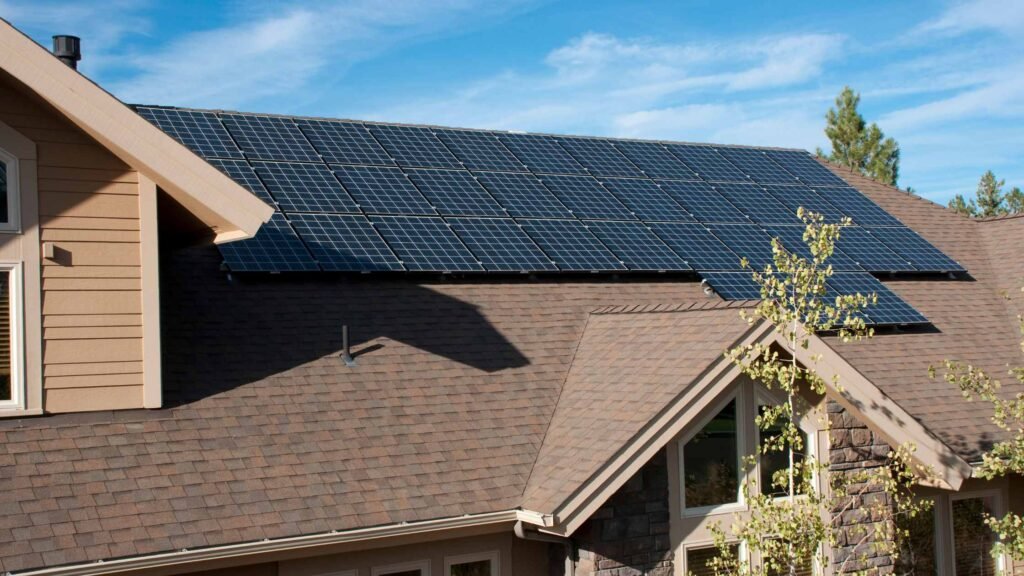
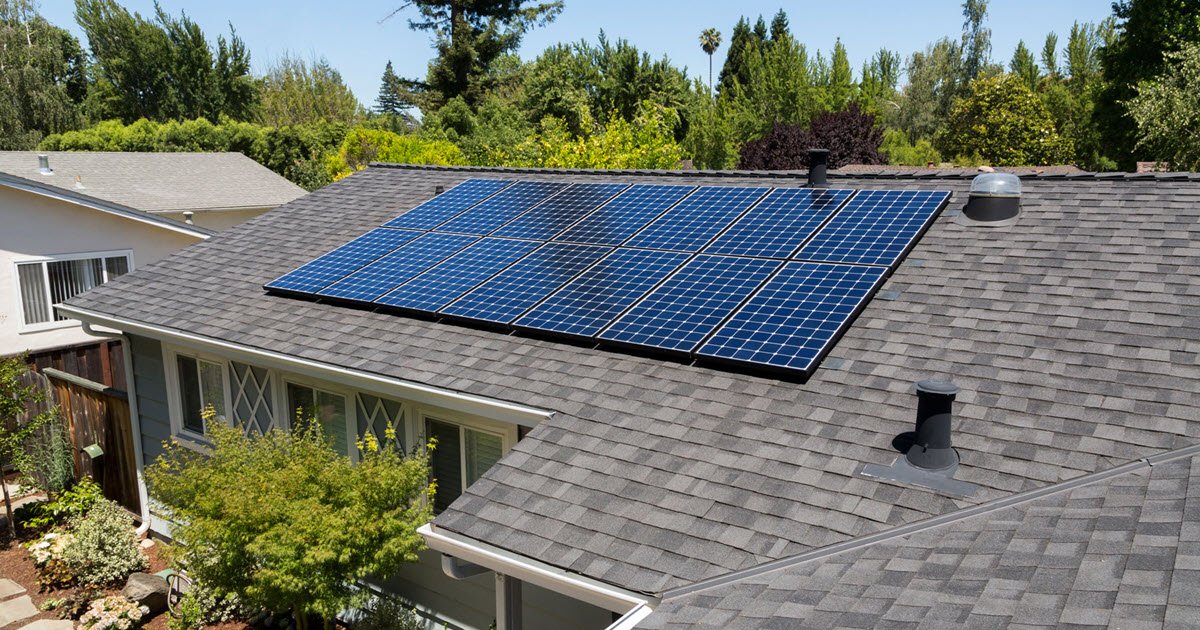
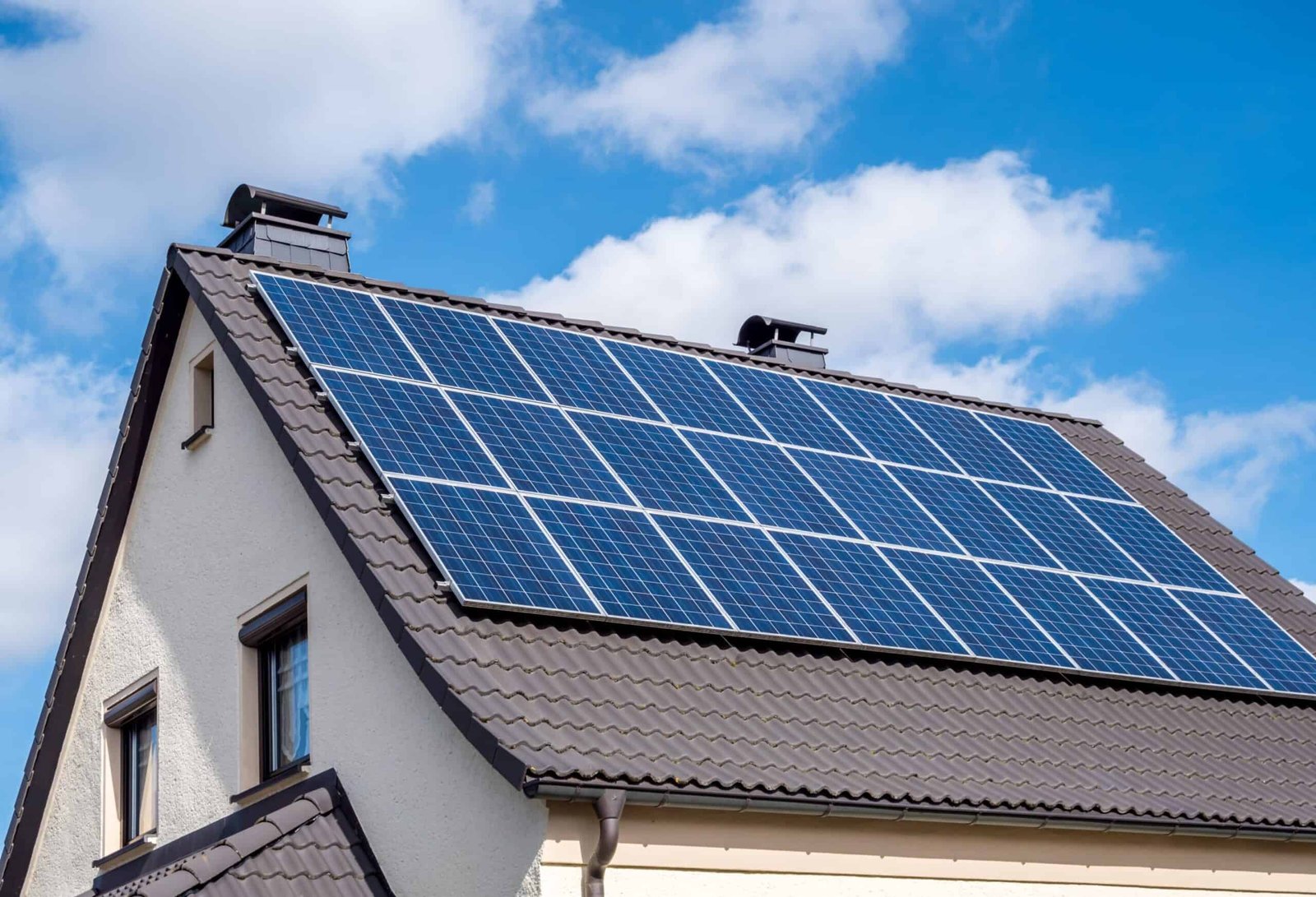
These are the most visible part of the system. Installed on rooftops or in open spaces, solar panels capture sunlight and convert it into direct current (DC) electricity.
2. Inverter
The electricity generated by solar panels is in DC form, but most household appliances use alternating current (AC). The inverter converts DC electricity into AC, making it suitable for home use.
3. Mounting System
Mounting systems secure the panels in place and ensure they are positioned at the optimal angle for maximum sunlight exposure.
4. Battery Storage (Optional)
Battery systems store excess electricity generated during the day. This allows homeowners to use solar power at night or during grid outages.
5. Utility Meter
A bidirectional meter tracks the amount of electricity your system produces and the energy you consume from the grid.
How Solar Energy Is Generated
The process begins when sunlight hits the solar panels. Photons from sunlight knock electrons loose from atoms within the PV cells, creating an electric current. This current flows through the system and is converted into usable electricity.
Any excess electricity can either be stored in batteries or sent back to the grid, depending on the system setup.
Types of Solar Systems
Grid-Tied Systems
These systems are connected to the local utility grid. They are the most common and allow homeowners to benefit from net metering programs.
Off-Grid Systems
Off-grid systems operate independently of the utility grid. They rely on battery storage to provide power when solar generation is not available.
Hybrid Systems
Hybrid systems combine grid connectivity with battery storage, offering flexibility and enhanced energy security.
Benefits of Residential Solar Panels
Cost Savings
Solar panels can significantly reduce electricity bills. Over time, the savings can outweigh the initial investment.
Environmental Impact
Solar energy is clean and renewable, reducing greenhouse gas emissions and reliance on fossil fuels.
Energy Independence
Generating your own electricity reduces dependence on utility companies and protects against rising energy costs.
Low Maintenance
Solar systems require minimal maintenance, with most panels designed to last 25 years or more.
Common Misconceptions
Many people believe solar panels only work in sunny climates. In reality, panels can generate electricity even on cloudy days. Another misconception is that solar systems require constant maintenance, which is not the case.
Choosing the Right System
Selecting the right solar system depends on factors such as energy consumption, budget, and available space. Consulting with professionals like SENEL SYLINX LLC ensures that homeowners receive tailored recommendations.
Installation Process
The installation process typically involves site assessment, system design, permitting, and installation. Once installed, the system undergoes inspection and is connected to the grid.
Final Thoughts
Understanding how solar panels work is the first step toward embracing renewable energy. With the right knowledge and support, homeowners can confidently transition to solar power and enjoy its many benefits.
SENEL SYLINX LLC is committed to making this transition simple and accessible by providing reliable products and expert guidance every step of the way.